
WEATHER TERMS TO KNOW
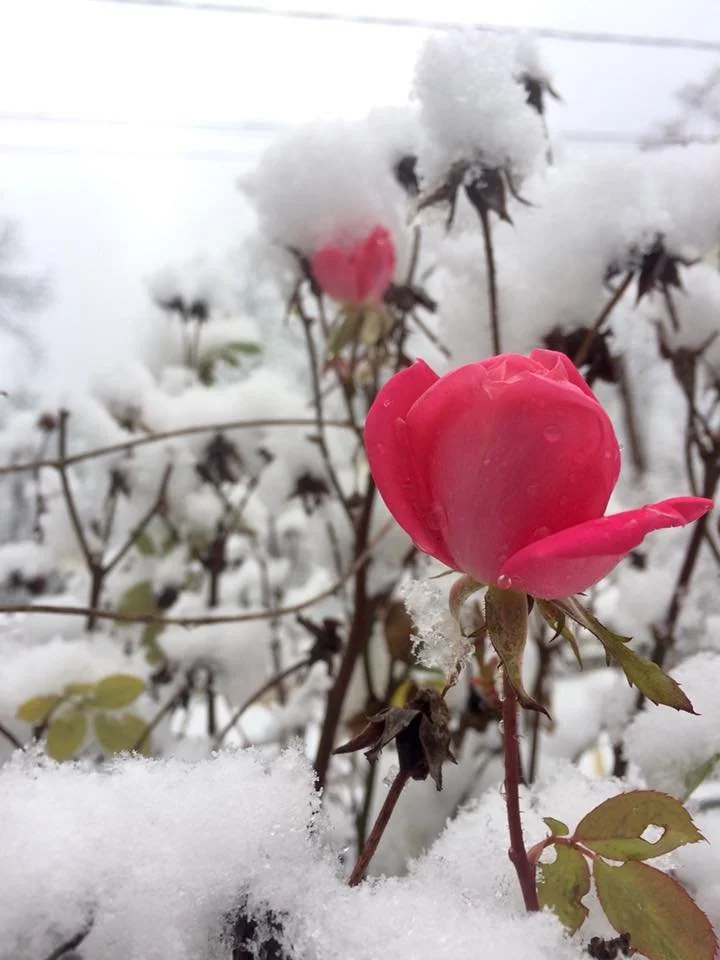
LATE WINTER / EARLY SPRING — (FEB–MAY)
Start seeds indoors in January. Direct sow cool-season crops (greens, peas, brassicas) outdoors from late February. Warm-season transplants go in after last frost (mid-March).
SUMMER — (JUNE–AUG)
Warm-season crops peak: tomatoes, peppers, squash, okra, sweet potatoes, field peas. Heat and humidity demand shade cloth, deep watering, and vigilance against fungal disease.
FALL — (SEP–NOV)
The most productive season for many growers. Cool-season crops return: kale, collards, lettuce, carrots, beets, broccoli, cabbage. Direct sow from late August through October.
WINTER — (DEC–FEB)
Hardy greens (kale, collards, spinach, arugula, chard) survive light frosts. Row covers extend production. Use this season for soil building, cover crops, and planning.
LAST FROST DATE
The average date of the final freezing temperature in spring. Atlanta's average is around March 13, but always watch the 10-day forecast.
FIRST FROST DATE
The average date of the first freezing temperature in fall — typically late November in Atlanta.
FROST POCKET
A low-lying area where cold air settles on still nights, increasing frost risk even when surrounding areas are fine.
HARDENING OFF
Gradually acclimating indoor-grown seedlings to outdoor conditions over 7–14 days before transplanting.
HEAT INDEX
How hot it actually feels when humidity is factored in. Atlanta summers regularly feel like 100–110°F even when the thermometer reads 92°F.
DEW POINT
The temperature at which moisture condenses from the air. High dew points (above 65°F) promote fungal disease on foliage.
HUMIDITY
Atmospheric moisture content. Atlanta's high relative humidity requires growers to choose disease-resistant varieties and water at the base of plants.
MICROCLIMATE
A localized climate condition within your garden — south-facing walls create warmth; shade trees create cool, moist zones.
VERNALIZATION
The period of cold exposure some plants need (e.g., garlic, onions, some perennials) to trigger proper growth or flowering.
ENSO / EL NIÑO / LA NIÑA
Large-scale ocean temperature patter
