
URBAN SUSTAINABILITY 101
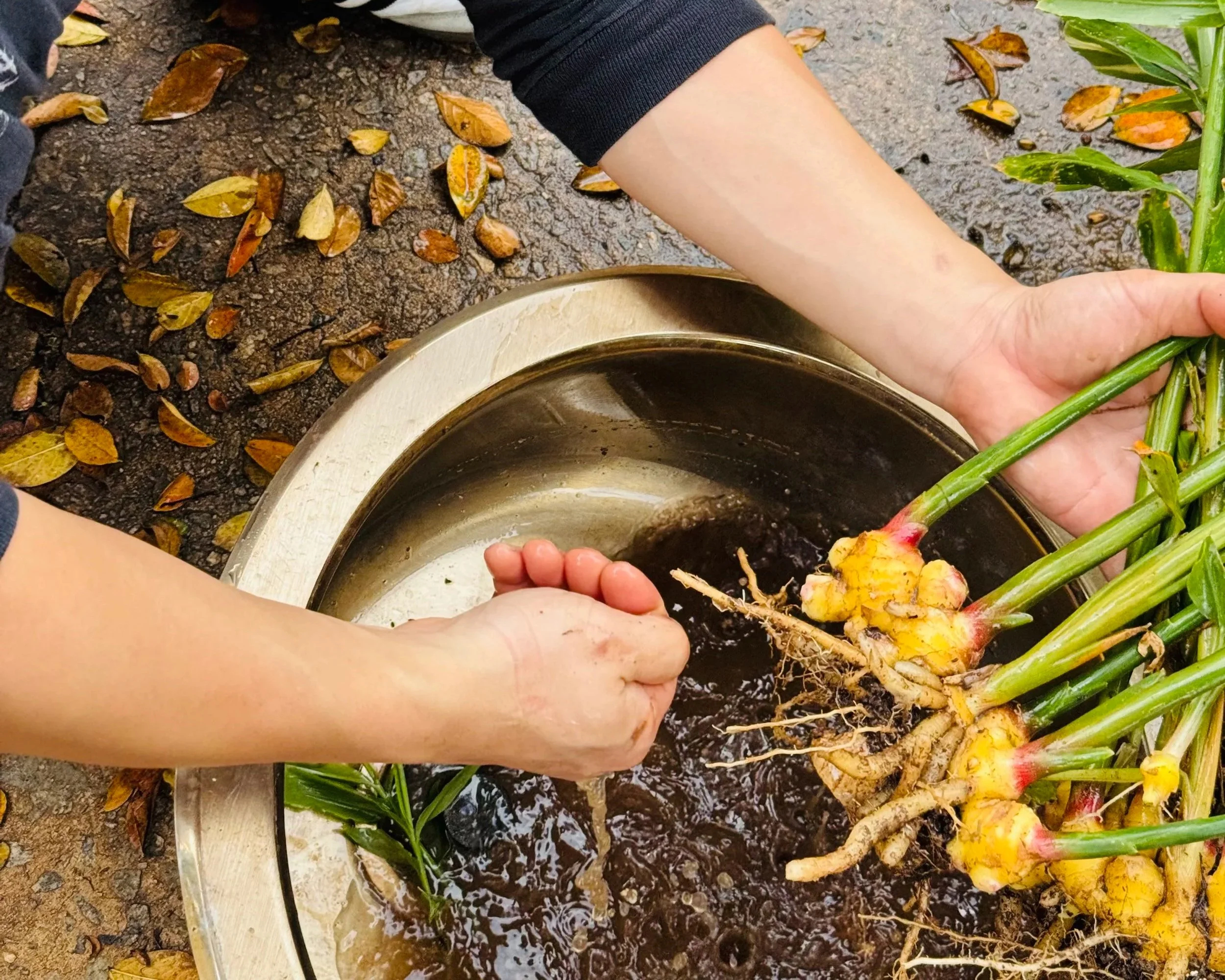
We love the spice of fresh local ginger!
Urban land reclamation is a political and spiritual act.
In cities across America, Black and brown communities have been systematically divested — food deserts, vacant lots, contaminated soil, and limited access to green space are not accidents, but outcomes of policy decisions. When D’Best Urban Farm plants a seed in Atlanta’s soil, we asserts that this land belongs to the people who live on it, and that those people deserve nourishment, beauty, and sovereignty.
Urban agriculture is also a climate solution. Urban farms reduce food miles, sequester carbon in soil, manage stormwater, reduce urban heat islands, and create habitat. Every square foot of reclaimed land is a vote for a different future.
Permaculture is Great, But not PERFECT.
Permaculture is a design system rooted in observing and working with nature's patterns rather than against them. It was developed formally by Bill Mollison and David Holmgren in Australia in the 1970s, building on Indigenous land management knowledge from around the world. For urban growers, permaculture offers both practical tools and a philosophy of care. It should be noted that Permaculture is a codex based on the practices of Indigenous Peoples, and the system would not exist without the intentional erasure of these practices in the name of progress.
While we do integrate permaculture principles into our farm design, we also grow with consideration of the needs of our community. So for instance not all of the species here are natives, though we do intentionally grow organic, non-gmo crops that are naturalized to hot humid weather and clay soils. As a result, we tend towards a lot of SE Asian crops as they do well in this environment, and they serve the needs of our local culinary community, and this way we find symbiosis between the needs of the land and the needs of our local culture.
The pursuit of perfection often disregards the changing nature of life itself. Species will not be able to adapt as quickly as the climate may be ready to support their growth. To be resilient in a world facing dramatic climate shifts we must remain in a constant relationship with the Earth, learning to restore the balance we have distorted through our existing urban systems.
